Bruno Guimaraes’ return to St James’ Park in Arsenal colours was supposed to deepen the pain of Newcastle’s summer break-up, but instead it stirred the Magpies, who poured that emotion into a second-half fightback.
For many, this was the point at which Newcastle United stopped looking like a major force in English football. Guimaraes’ switch to Arsenal was traumatic, and the club have not yet fully recovered from it.
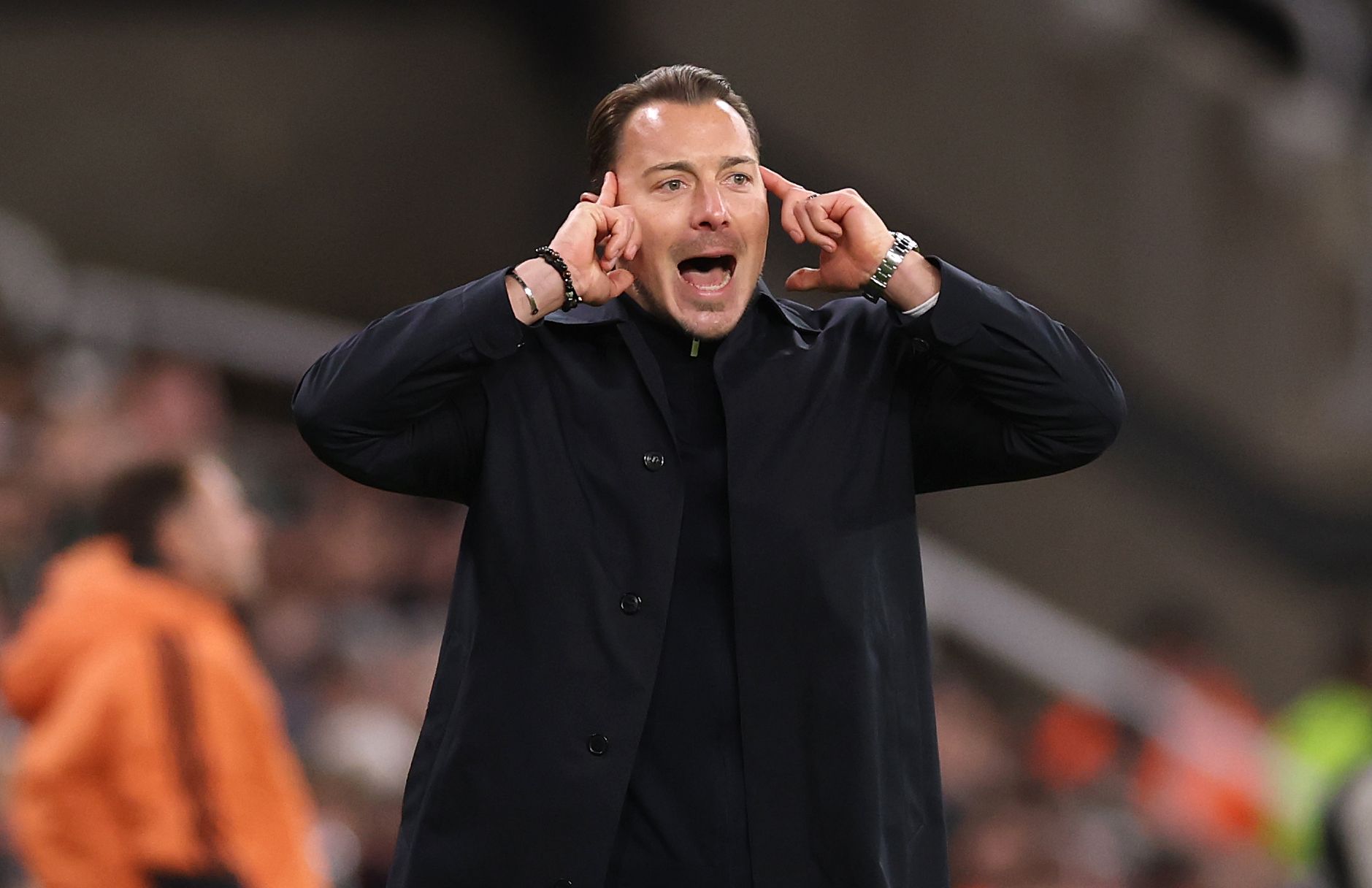
He had been their standout player, their talisman, their captain and their biggest source of hope. Without him, a completely new identity has to be created. But Newcastle, and new head coach Matthias Jaissle, have struggled badly since the split.
Arsenal’s journey to the north was always going to centre on one man. Guimaraes has not been condemned by Newcastle supporters in the way Alexander Isak was, something reflected in the subdued, if still chilly, reception when he got off the team bus. It felt more pantomime than public enemy.
His departure arguably hurt more than Isak’s, and more than those of Anthony Gordon and Sandro Tonali earlier in the summer, but it has divided opinion among the fanbase.
For some, what he did in helping Newcastle win their first domestic trophy secures his legacy whatever the timing and controversy surrounding his exit. With so much upheaval at the club around him, made worse by Eddie Howe’s resignation in late July, it became obvious that Guimaraes’ ambitions would no longer be fulfilled on Tyneside.
Watching Isak, Tonali and Gordon move on with the chance to win trophies, double their wages or both will have hurt the Brazilian. When he joined in January 2022, he truly believed Newcastle could go on to win the Champions League.
All of a sudden, they were openly and proudly adopting a trading model in the transfer market, tearing up their previous strategy and beginning again. Guimaraes still remained central to their plans, but at 28 years of age (now 29), he could not wait any longer for phase two of the Newcastle project, especially when promises from phase one had still not been delivered.
But across the last four years, he did more than most overseas signings to build a bond with supporters, speaking openly about feeling like an adopted Geordie and wanting to follow Alan Shearer in becoming a lasting hero.
It was that emotional connection which Newcastle hoped might persuade him to stay for one more season and which made supporters genuinely believe in loyalty. But in the club’s moment of need, the captain jumped ship. He was entitled to leave, and it is difficult to be too critical given Arsenal already look like Premier League champions-elect.
Still, after speaking so warmly about his love for life at Newcastle in the build-up, and stressing how hard it had been to leave, he could hardly object to being cast as the villain.
If one moment captured his afternoon, though, it was his former midfield protégé at Newcastle patting him on the back just as Harvey Barnes fired in a second-half equaliser.
Malick Thiaw then put the home side ahead, only for Noni Madueke to level matters again. It built slowly, but in the end Guimaraes’ presence brought Newcastle together, both on the pitch and in the stands.
The expectation had been for an immediate reaction, with Arsenal facing a black-and-white storm driven by anger towards him. Instead, the first half was flat, and when Eberechi Eze scored the opener, it already felt as though the match was done.
There have been reports in recent weeks suggesting the players do not understand Jaissle’s methods. At times it certainly looked that way; Lukas Hornicek, asked to play out confidently from the back, appeared rattled every time the ball reached his feet.
Joe Willock was seen more than once seeking clarity on his role; Jaissle watched on in clear frustration but, it seemed, with very few answers. A third successive meek home defeat looked inevitable. But once the second half began, everything changed.
To Jaissle’s credit, he made brave decisions, taking off Sean Steur, the one bright point of the first half, and sending on Jacob Ramsey. Tino Livramento and Anthony Elanga were also introduced, and Newcastle suddenly sparked into life.
The power, the momentum and the intensity of St James’ Park drove them forward. Suddenly, Jaissle’s ideas looked understandable; there was something real to work from, a blueprint.
“Everything started with the press,” Thiaw said after the game. “If you win the ball high and early, there is space to attack vertically and directly. It is about how you work off the ball.
“The manager kept it really calm at half time, he knew what we had to do and made good changes. When you are a squad, everybody has to be ready. We used [the crowd’s reaction to Guimaraes] as fuel and we felt that on the pitch.”
Thiaw is one of the players who has moved into what Jaissle described as a “leadership vacuum” in the squad after Guimaraes left. He insists the players are still behind their manager.
“There are always noises in football, especially outside of the locker room,” he added. “We know what we have to do and what we have to deliver. We are giving everything for the club and the manager.
“If we don’t believe, who will? We will keep improving and we need them. We are all in this together.”
Beginning with Arsenal, Jaissle and Newcastle now face a run of four very difficult and potentially season-shaping matches. Brighton are next, followed by two home games in a week against Manchester United and Sunderland. It is still nowhere near perfect, but there may just be the first signs of optimism.
Contact to : xlf550402@gmail.com
Copyright © boyuanhulian 2020 - 2023. All Right Reserved.