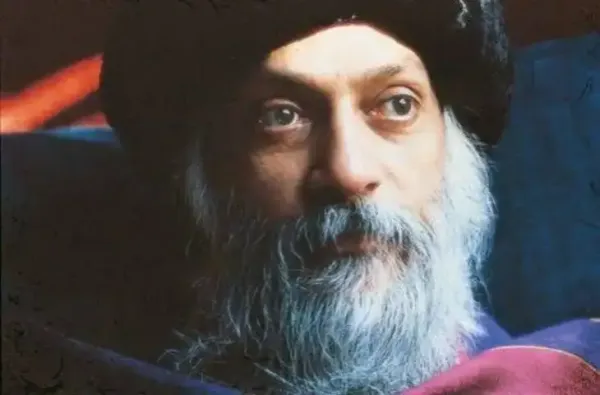
Ego is one of the obstacles in a person's life that can prevent him from understanding his true identity. When a person starts considering himself superior to others, does not accept his mistakes and wants to prove his point right in every situation, his relationships and mental peace can be affected. Spiritual thinker Osho has discussed in detail topics like ego, consciousness and self-awareness. Through his thoughts it can be understood that recognizing the ego and keeping distance from it can be an important step towards self-development.
What is ego according to Osho?
In Osho's thoughts, ego is to the identity that a person creates on the basis of his name, position, wealth, prestige, knowledge and the opinions of others. Man gradually starts saving this created image instead of his real experiences. If someone criticizes him, he feels bad, if someone surpasses him, he becomes jealous and when a mistake comes to his notice, he starts making excuses. Egoism is not seen only in considering oneself great. Many times, a person remains entangled in the web of ego despite considering himself inferior to others, because his focus is constantly on how others see him.
Know yourself to give up ego
An important message to Osho's thoughts is that awareness is necessary to understand oneself. Instead of fighting the ego or suppressing it forcefully, one should first recognize its behavior. When someone criticizes you, wait for a moment before getting angry or responding immediately. Ask your mind what is really troubling you. Has the other person said something wrong or has the image created by you been hurt? Questions like these can help the person understand his or her own reactions.
stop comparing yourself to others
Habits that boost ego include constant comparison with others. Sometimes a person wants to prove himself better than others on the basis of his wealth, sometimes success, sometimes knowledge and sometimes social prestige. But this habit of comparison can increase dissatisfaction and competition in the mind. Instead focus on your progress. Don't consider another person's success as your defeat. Every person's circumstances, abilities and path in life are different. Learning to appreciate the achievements of others can develop humility.
Learn to accept your mistakes
Ego can prevent a person from admitting that he or she has made a mistake. Many times, disputes in relationships increase because both parties are trying to prove the other wrong instead of accepting their mistake. If you have made a mistake, accept it and apologize if necessary. Apologizing is not a sign of weakness, but a sign of understanding one's responsibility. Similarly, listening carefully to others and being ready to change your opinion can also help in reducing ego.
practice meditation and silence
Osho laid special emphasis on meditation and awareness. The purpose of meditation is not just to stop thoughts, but also to observe your thoughts, feelings, and reactions without immediately following them. Sit quietly for a few minutes each day and focus on your breathing. When anger, jealousy, insult or a desire to prove oneself superior arises in the mind, try to identify it. Gradually a person can learn to make a slight distinction between his feelings and his behavior.
Be humble, but don't consider yourself weak
Giving up the ego does not mean that one gives up one's self-respect or accepts every wrong thing. Humility means recognizing your own abilities, but not belittling others. Express your views clearly when necessary, but without insulting anyone. The main lesson to be learned from Osho's thoughts is that freedom from ego begins with seeing and understanding oneself. When a person becomes aware of his reactions, learns from his mistakes, and begins to respect others, natural humility can develop in his behavior. Rather than trying to eliminate the ego in one day, practicing awareness, meditation, and introspection in everyday life may be a more productive path to take.
Contact to : xlf550402@gmail.com
Copyright © boyuanhulian 2020 - 2023. All Right Reserved.