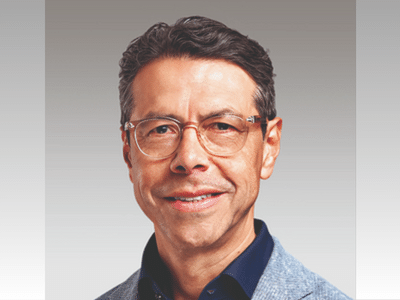
is assessing opportunities to bring products addressing side effects associated with glucagon-like peptide-1 (GLP-1) obesity drugs to India, as the nearly €46 billion German crop and life sciences company seeks to expand its presence in the country. The company is exploring opportunities across digestive health, nutrition, and protein supplements to address side effects such as constipation, nausea and muscle loss among patients on GLP-1 therapies, Julio Triana, president of Bayer's Consumer Health Division, told ET's Rica Bhattacharyya & Vikas Dandekar. Bayer aims to triple its consumer health business in India by 2030, anticipating that the country will become its third-largest consumer health market globally. Edited excerpts:
How important is India to Bayer's consumer health business, and what is your growth ambition?
We should be able to triple the India business in terms of the revenue between now and 2030. We have five markets that are a priority for us in consumer health, including the US, which is the largest market in the world for consumer health, China, Germany, and then India and Brazil. In this pecking order, I hope India will get to third. We also would need to be able to bring in more colleagues to be able to drive that business.
Also read:
Which product categories offer the biggest growth opportunities in India?
There's a huge opportunity in derma. It accounts for about 25% of our business worldwide. In India, it's very small, but the category is huge and it's growing faster than the pain category (in which the company sells Saridon). But we need to continue to innovate based on what the Indian consumer wants. Same thing with Supradyn. Another important area is digestive health, especially in markets like India (which face significant challenges with gut health).
We also have a lot of new entrants in our space. We're competing not just not just with global players like us but also with local players, whose competition can sometimes be even fiercer. Local players may have better proximity to the consumer. We are now running Bayer with a new operating system, which has empowered the local teams to identify market and consumer signals and respond as quickly as they can.
GLP-1 drugs are transforming obesity treatment. What opportunities do you see in products addressing their side effects?
The GLP-1s have brought in a seismic sort of innovation into the market. It is something that benefits too many people. But, as with any such medications, they do have a lot of side effects that other products can help address. In the US, we have a product called MiraLAX for constipation. One of the side effects of GLP-1s is constipation-nausea and sarcopenia are some other effects. And there we have a full range of products in terms of nutrition, multivitamins and single supplements.
Will Bayer bring these products to India?
Yes. The team is doing an assessment. We will support the team to bring whatever products they want to bring to India after scanning the market. We also have a very good network of contract manufacturing here. From the idea to be able to have something in the market in India, it should be very quick.
Will Bayer consider acquisitions or partnerships to expand in India?
We would run the business ourselves, so we're building our own distribution - and so we would not look for a distributing partner... the more products we bring in, we would look for partnerships in manufacturing... And we would look out for inorganic growth opportunities.
Also read:
How will you compete with Indian companies that often have a pricing advantage?
We have a strategy that we call "road to billions". As part of that, in consumer health, our aspiration is that we bring as many of these solutions to as many people as possible. We don't want our products to only be for rich countries that can buy expensive vitamins, etc. It's a strategy that makes sure that our products are reaching as many households as possible. That needs you to be close to what the consumer needs, from pricing and presentations, and cater for that.
How do you view India's regulatory environment for ?
I believe that it is currently not an impediment to our plans. We believeself-care is really important, but it must come with a significant level of responsibility. We actually sometimes do see that this is an opportunity in some other markets. The regulation is not like we have in India and then you have people selling anything they want. I sometimes call it "snake oil". At the end of the day, the number one priority is the safety of people taking the products.
Contact to : xlf550402@gmail.com
Copyright © boyuanhulian 2020 - 2023. All Right Reserved.