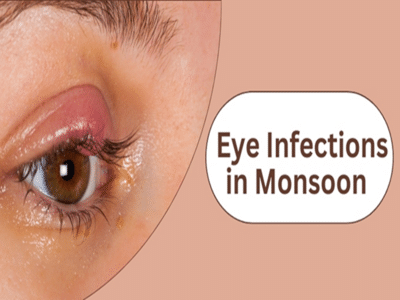
Monsoon Eye Infection: According to experts, increased humidity during monsoon, viral, bacterial infections, dirty water, and close eye contact between people become the main reasons for the rapid spread of eye flu.
Monsoon Eye Infection: While the rainy season offers a unique sense of relief, it also increases the risk of various infections. Conjunctivitis is one of these infections. Cases of this infection rise sharply each year during the monsoon season. Hospitals and clinics see an increase in patients with complaints of red eyes, watery eyes, burning, and itching during this season.

1 /10
According to experts, increased humidity during the monsoon season, viral and bacterial infections, dirty water, and close eye contact between people are the main causes of the rapid spread of eye flu. This infection spreads easily in homes, schools, offices, and public places. Therefore, it is crucial to protect your eyes and take timely precautions.
2 /10
Conjunctivitis is an inflammation of the thin membrane that covers the white part of the eye and the inner lining of the eyelids. This infection can be caused by a virus, bacteria, or allergies. This condition causes redness, watery eyes, and sometimes a sticky discharge. This condition is more common in children because they tend to touch their eyes frequently.
3 /10
Eye flu can cause a variety of eye symptoms. These include redness, persistent watering, itching, burning, a stinging sensation, swollen eyelids, sticky discharge, and difficulty with light. If you experience these symptoms, don't be negligent.
4 /10
The rainy season increases humidity, allowing viruses and bacteria to thrive. Rainwater, dust, and pollution can cause eye irritation and infection when exposed to it. Furthermore, increased contact in crowded places can lead to the rapid spread of viral conjunctivitis.
5 /10
Experts agree that hand hygiene is one of the most effective ways to prevent eye flu. People unknowingly touch their faces and eyes many times throughout the day, and bacteria on their hands can easily reach the eyes. Therefore, it is important to wash hands regularly with soap and water and avoid touching or rubbing the eyes unnecessarily. Repeated rubbing can spread the infection from one eye to the other.
6 /10
Eye flu can cause swelling and heaviness in the eyes. In such a situation, soaking a clean cloth in cold water and placing it on closed eyelids can provide relief. This helps reduce redness and swelling. However, special care should be taken to ensure the cleanliness of the cloth or towel used.
7 /10
Eye cosmetic products should also be used with caution during and after an eye flu. Old mascara, eyeliner, and eyeshadow can harbor bacteria, increasing the risk of re-infection.
8 /10
Many people start using antibiotic eye drops without consulting a doctor as soon as their eyes become red. However, not all conjunctivitis is bacterial. Viral eye flu often clears up on its own, while bacterial infections require prescription medication. Therefore, do not use any type of eye drops without consulting a doctor.
9 /10
If someone has eye flu, they should immediately stop wearing contact lenses. Wearing lenses during an infection can increase eye irritation and prolong the infection.
10 /10
Eye flu is highly contagious, so if you are infected, you should avoid close contact with others. Special attention should be paid to personal hygiene to prevent the spread of the infection at home, school, or work.
Contact to : xlf550402@gmail.com
Copyright © boyuanhulian 2020 - 2023. All Right Reserved.