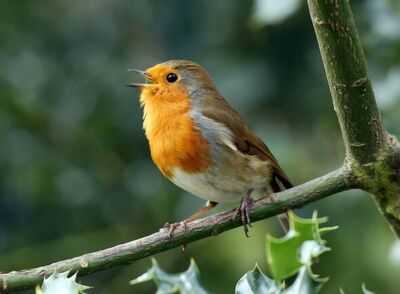
The RSPB's most recent bird feeding recommendations have caused confusion, with headlines suggesting a summer ban leaving numerous people uncertain whether they ought to stop feeding birds entirely. According to Richard Green, bird feeding specialist at bird food supplies Kennedy Wild Bird Food and Pet Supplies, that reading overlooks the crucial message.
At a moment whenbirds are already facing strain from illness and diminishing natural food supplies, it threatens to cause greater damage than benefit. With millions of homes supporting garden birds, especially in urban environments wherenatural food is scarce, how individuals respond at this juncture is significant. The recommendations concern adjusting feeding practices, rather than abandoning them, enabling birds to receive ongoing support safely while minimising the danger of disease transmission.
Richard has resolved the debate regarding whether you ought to maintain feeding birds presently or not, reports the Mirror. He said: "Much of the public reaction has come from headlines suggesting people should stop feeding birds in summer, but the actual guidance is about feeding differently, not stopping altogether."
It's not the food itself, but rather how the food is managed. Richard added: "Seeds and peanuts are often blamed, but the real problem is poor feeding practices, such as dirty feeders, damp or mouldy food, leftovers building up and too many birds feeding in one place."
Yet ceasing completely also carries its dangers. Richard continued: "If feeding suddenly stops in some gardens, birds don't just disappear, they move to the remaining food sources.
"This can lead to more crowding, more competition and a higher chance of disease spreading locally. The recommendation to remove seeds and peanuts between May and October is about reducing risk for vulnerable species, while still encouraging people to provide alternatives like mealworms, fat balls and suet.
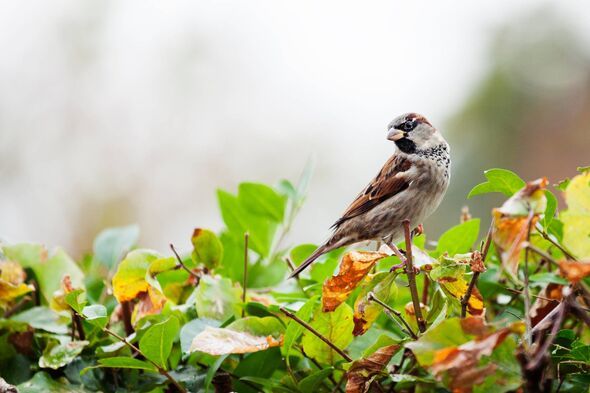
"The idea that birds can rely fully on natural food during these months depends heavily on location, and in urban areas where insect life is lower, supplementary feeding has been shown to improve breeding success and chick survival.
"Putting out only small amounts of food that birds will eat within a day or two is one of the simplest ways to reduce risk, as food left sitting for days is far more likely to become contaminated."
The genuine answer lies in hygiene - and this is precisely what birdwatchers and gardeners ought to be focusing on. It is this practice that will tackle the danger the RSPB is highlighting.
Richard said: "Regular cleaning is what makes the biggest difference, using a proper routine with detergent or a diluted bleach solution, rinsing thoroughly and allowing feeders to dry fully before they are used again."
Contact to : xlf550402@gmail.com
Copyright © boyuanhulian 2020 - 2023. All Right Reserved.